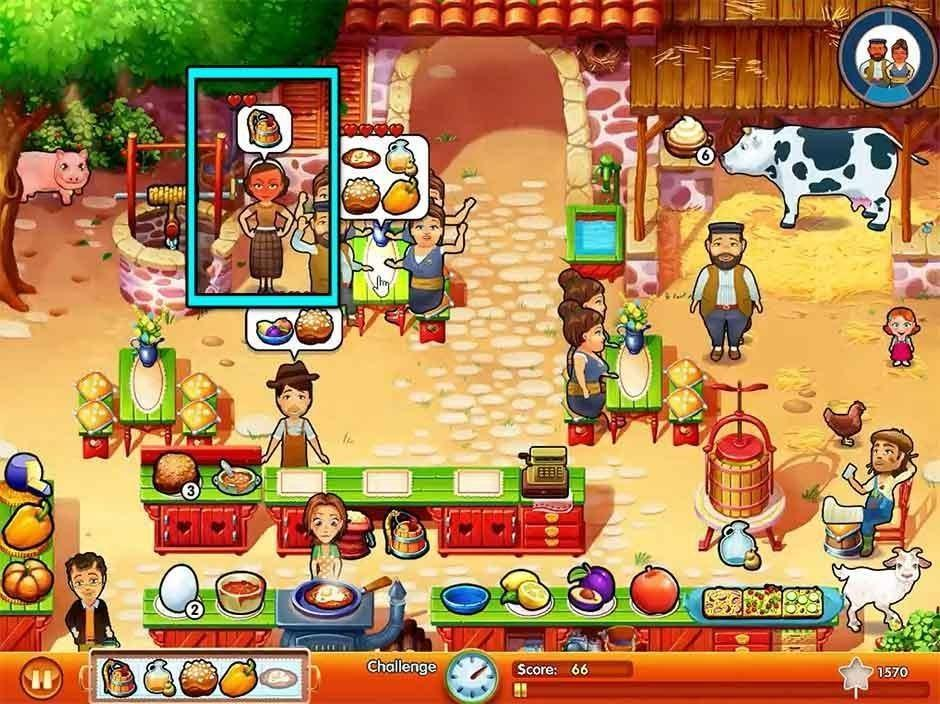
Time management is one of the most essential skills for FCM99 personal and professional success. Whether it’s meeting deadlines, planning your day, or balancing various tasks, the ability to manage time efficiently plays a crucial role in achieving goals. But did you know that time management can also be taught through indoor games? It’s true! Games offer a fun and interactive way to hone this skill while also keeping players engaged and entertained.
In this article, we’ll explore a variety of indoor games that teach time management. Whether you’re a student, a professional, or someone looking to boost your organizational skills, these games provide valuable lessons in balancing priorities, setting goals, and making the most of the time you have.
Why Time Management Matters
Before we dive into the games, let’s quickly discuss why time management is so crucial:
Increased Productivity: Efficient time management helps you get more done in less time, freeing up space for other activities or relaxation.
Reduced Stress: Knowing how to prioritize tasks and manage your time reduces the anxiety that comes with last-minute rushing or missing deadlines.
Better Decision-Making: Time management forces you to evaluate what’s truly important, helping you make more informed decisions about where to invest your time.
Improved Work-Life Balance: Proper time management allows you to balance both professional responsibilities and personal leisure.
Now, let’s explore how indoor games can make learning these principles fun and effective.
- Time’s Up! (The Game of Quick Thinking)
Time’s Up! is a fast-paced party game where players try to describe famous people, places, or things to their teammates, all within a very limited timeframe. The game is split into three rounds, and each round involves different methods of giving clues. The catch is that players only have a few seconds to give their clues, requiring them to think quickly and manage their time effectively.
Time Management Lesson: Players learn how to pace themselves, making sure they don’t spend too much time on a single clue. They must prioritize the most important clues and make quick decisions on what’s worth explaining.
How to Play:
Divide into teams.
Players try to describe words or phrases to their teammates in a set amount of time.
In each round, the clue-giving method changes—first through full descriptions, then using only one word, and finally with pantomime.
At the end of the round, players compare how many phrases were guessed correctly.
This game sharpens not only verbal communication but also decision-making and prioritization, all of which are core elements of time management.
- Stop the Clock: A Fast-Paced Strategy Game
Stop the Clock is a game that challenges players to stop a digital clock at exactly the right moment. The game provides players with time windows in which they must guess the right moment to hit the stop button. The twist is that the closer they are to the right time, the more points they earn. Players will have to manage their time accurately and plan their strategy to maximize their points.
Time Management Lesson: This game teaches players to be aware of time constraints and helps them develop a sense of urgency. It encourages players to make fast decisions and manage their approach to avoid wasting time.
How to Play:
The game features a countdown clock on screen.
Players need to stop the clock at the most accurate point possible.
The player with the closest guess wins points, while the others try to improve their timing in subsequent rounds.
This game challenges players’ ability to gauge time accurately, adding pressure to each round, which is a key part of managing time effectively under stress.
- The Checklist Challenge (Task Prioritization)
The Checklist Challenge is a simple but effective game designed to teach the importance of prioritizing tasks. Players are given a list of tasks that must be completed within a set time limit, but the tasks are ranked in order of importance and urgency. Players must decide which tasks to tackle first, how to manage the clock, and how to allocate their time across all tasks.
Time Management Lesson: This game simulates real-life situations where individuals must prioritize their to-do list and allocate time based on urgency and importance. It teaches players how to assess what tasks need immediate attention and which ones can wait.
How to Play:
Create a list of tasks (e.g., making a bed, completing a school assignment, doing laundry).
Set a timer (e.g., 10-15 minutes) for each round.
Players must complete as many tasks as possible within the allotted time, starting with the most important ones.
At the end of the round, players tally their completed tasks and evaluate which ones could have been managed more effectively.
The Checklist Challenge mimics real-world scenarios where individuals need to manage both urgent and important tasks in a time-sensitive manner.
- Time Management Monopoly
A twist on the classic Monopoly game, Time Management Monopoly introduces time-limited rounds and additional pressure on players. In this version, players must complete tasks or purchase properties within a strict time limit for each turn. Players also face the challenge of managing their available funds and time in order to make strategic moves.
Time Management Lesson: The game requires players to make decisions quickly, balancing the risks of investing in properties and the urgency of managing their time in each turn. Players are forced to prioritize high-value investments while managing limited resources.
How to Play:
Set a timer for each player’s turn (e.g., 30 seconds).
Players must buy properties, make deals, and collect rent all within the allotted time.
Each round introduces additional time constraints, forcing players to manage their money and time effectively to win.
This version of Monopoly teaches players how to think quickly under pressure while weighing their time and resources to make the best choices.
- Speed Puzzles
Solving puzzles under a time limit is an excellent way to teach time management skills. Speed Puzzles challenge players to assemble a jigsaw puzzle or solve a brain teaser as quickly as possible. The key is to finish the puzzle within the set time, but players must decide when to speed up and when to slow down to avoid mistakes.
Time Management Lesson: Players learn how to manage their time efficiently while solving a complex task. The pressure of completing the puzzle within a time frame teaches them how to assess their progress and adjust their strategies accordingly.
How to Play:
Choose a puzzle with a reasonable level of difficulty.
Set a timer for a specific period (e.g., 15 minutes).
Players work to solve the puzzle in the shortest time possible, with each puzzle piece representing a critical decision in time allocation.
Speed Puzzles promote focus, decision-making, and the ability to adapt as the clock ticks down.
- Escape Room in a Box
Escape Room in a Box games are a fantastic way to build time management skills while encouraging teamwork. These games involve solving a series of puzzles within a set time frame to “escape” a scenario. Players must work together to solve clues, unlock secrets, and move through different stages of the game—all while managing their time effectively.
Time Management Lesson: Escape room games are perfect for practicing time-sensitive decision-making. Players must work together under pressure, balancing multiple tasks and ensuring that they don’t waste valuable time on easy puzzles.
How to Play:
Set up the escape room game, which will come with a series of puzzles to solve.
Set a timer for the game (typically around 60 minutes).
Work through the puzzles and clues as a team, making sure to manage your time to complete the escape challenge.
Escape Room in a Box helps players develop time management by requiring constant time evaluations and prioritizing actions that will lead to success.
Conclusion: Learning Time Management Through Play
While learning time management might seem like a dry and serious task, incorporating games into the learning process makes it enjoyable and interactive. Whether you’re playing Time’s Up!, tackling Escape Rooms, or working through Speed Puzzles, these indoor games are not only fun but also help build essential life skills like prioritization, decision-making, and managing pressure.
 Site Title